

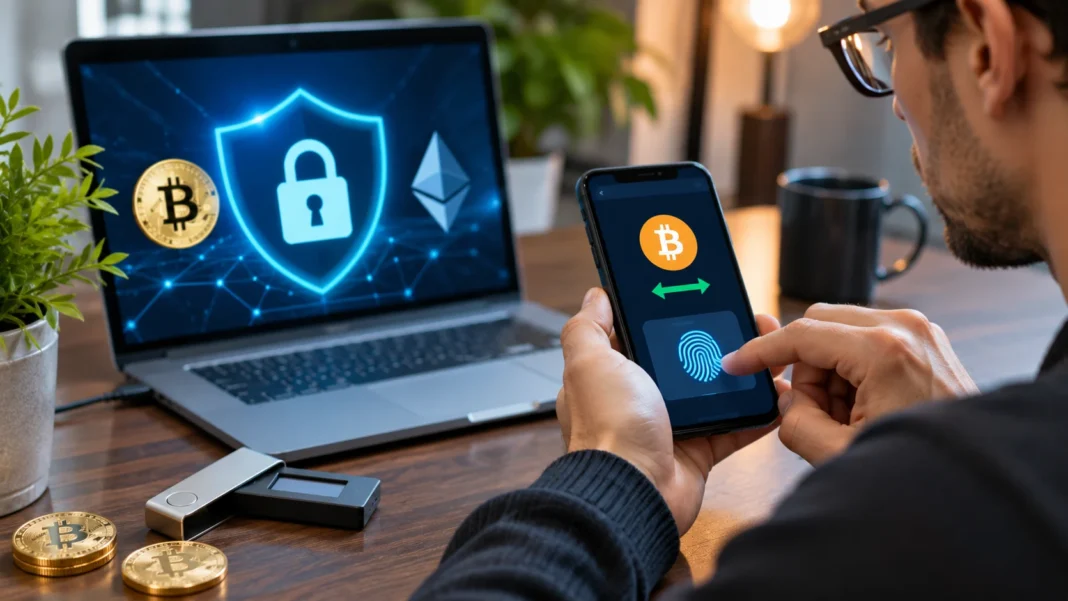

Crypto transaction signing is an important security process that helps authorize cryptocurrency transfers and blockchain activities. Whenever someone sends digital assets or interacts with a decentralized application, a digital signature may be required to confirm the action. However, signing an unfamiliar request can expose a wallet to serious security risks. Understanding crypto transaction signing helps users recognize what they are authorizing and protect sensitive information.
Cryptocurrency transactions often involve wallet addresses, private keys, smart contracts, and digital permissions. Each component plays a different role in protecting assets and confirming ownership. While blockchain technology uses cryptographic security, mistakes involving suspicious websites or misleading approval requests can still lead to financial losses.
This guide explains how crypto transaction signing works, what information needs protection, and the most common security concerns. It also covers wallet permissions, phishing threats, hardware wallets, and practical habits that support safer cryptocurrency transactions.
What Is Crypto Transaction Signing?
Crypto transaction signing is a cryptographic process used to authorize transactions on blockchain networks. It allows a wallet owner to demonstrate control over an account without revealing the private key. The resulting digital signature can be checked by the network. This helps confirm that the transaction was authorized by the appropriate cryptographic credentials.
When a cryptocurrency transaction is prepared, it contains information such as the recipient, amount, and network-related details. The wallet uses its private key to create a digital signature associated with that transaction. The signature can then be verified using the relevant public key information. This process supports transaction authenticity and integrity.
Signing is not limited to transferring cryptocurrency between addresses. Blockchain applications may also request signatures for smart contract interactions, token permissions, or account authentication. These requests can have different consequences. Understanding the intended action before approving a signature is therefore an important part of wallet security.
How Does Crypto Transaction Signing Work?
The signing process begins when a cryptocurrency wallet prepares a transaction or receives an authorization request. The request includes information describing the action being proposed. Depending on the blockchain, this may involve a destination address, transaction amount, network fee, and other technical details. The wallet presents relevant information for review before authorization.
After approval, the wallet uses cryptographic signing methods to produce a digital signature. The private key remains necessary for this process, but it should not be disclosed to websites or other people. The signed transaction can then be submitted to the relevant blockchain network. Network participants verify the signature and apply the blockchain’s transaction validation rules.
A valid signature confirms authorization from the relevant cryptographic key, but it does not guarantee that the transaction is beneficial or safe. A person can unknowingly authorize an unwanted action. Smart contract behavior can also influence the eventual outcome. This makes careful review an essential responsibility before confirming blockchain transactions.
Why Transaction Signing Security Matters
Transaction signing is important because blockchain transactions can create lasting financial consequences. Once a valid transaction has been confirmed, reversing it may be impossible without the recipient’s cooperation or another permitted recovery mechanism. Unlike some conventional payment systems, many cryptocurrency networks do not provide routine chargeback protection. Careful authorization helps reduce avoidable mistakes.
Security risks also extend beyond direct cryptocurrency transfers. A malicious application may request permission to interact with tokens or other digital assets. These permissions can sometimes remain active after the original interaction ends. Users may therefore face risks even when a suspicious request does not immediately transfer funds.
Another concern involves misunderstanding complex transaction information. Some wallets display technical data that ordinary users may find difficult to interpret. Attackers can exploit this confusion by presenting misleading explanations. Understanding what a signature permits is more important than recognizing familiar branding or trusting an unexpected notification.
Protect Private Keys and Recovery Phrases
Private keys are among the most sensitive parts of cryptocurrency wallet security. They provide the cryptographic authority needed to control assets associated with an account. Anyone who obtains a usable private key may be able to authorize transactions without the rightful owner’s permission. Protecting this information is therefore essential.
Wallet recovery phrases require similar protection because they can often restore access to multiple accounts. These phrases should never be entered into unfamiliar websites, messages, or unexpected support forms. Legitimate wallet applications generally do not need users to disclose their recovery phrases to customer service representatives. Requests for this information should be treated as serious warning signs.
Secure wallet management also involves understanding how recovery information is stored. Digital screenshots, shared documents, and unprotected cloud storage can create unnecessary exposure. Users should follow trusted wallet manufacturer guidance for secure backups and recovery procedures. The goal is to maintain access without making sensitive credentials available to unauthorized parties.
Verify Wallet Addresses Before Signing
Wallet addresses identify destinations or accounts involved in blockchain transactions. Sending cryptocurrency to the wrong address can result in permanent loss, depending on the network and circumstances. Some addresses also look visually similar, making mistakes difficult to notice. Careful verification helps reduce the risk of accidental transfers.
Address-related scams can involve misleading messages or attempts to substitute an unintended destination. A transaction may appear familiar while containing information that differs from what the user expected. Relying only on the beginning or ending characters of an address can be insufficient. Users should verify destination details through a trusted and independent source.
Network compatibility is another important consideration when reviewing a transaction. Different blockchains may use different address formats and asset transfer rules. Sending an asset through an unsupported network can create recovery problems. Understanding the destination network and wallet compatibility is part of responsible transaction review.
Understand Smart Contract Approvals
Smart contracts are blockchain programs that execute actions according to defined rules. Cryptocurrency wallets may interact with these contracts when using decentralized applications or digital asset services. Some interactions require token approvals that authorize a contract to use specified assets. These permissions are different from ordinary transfers.
A token approval may allow a smart contract to move a certain amount of an asset under defined conditions. Some requests involve limited allowances, while others seek permission covering a very large amount. Broad permissions can increase exposure if the approved contract is compromised or malicious. Understanding approval limits is an important security consideration.
Users should also remember that disconnecting a website from a wallet does not necessarily cancel existing blockchain permissions. Certain approvals remain recorded until they are changed or revoked through an appropriate mechanism. Regularly reviewing permissions can help identify access that is no longer needed. Wallet security involves managing continuing authorizations, not just individual transactions.
Recognize Blind Signing Risks
Blind signing occurs when someone authorizes a transaction without clearly understanding the information or permissions involved. This can happen when a wallet displays technical data that is difficult to interpret. The user may see an approval request without a meaningful explanation of its consequences. Such situations create opportunities for mistakes and deceptive activity.
Some blockchain applications require complex interactions involving multiple contract functions. Even legitimate requests can be difficult for nontechnical users to understand. However, an unclear request should not be treated as harmless simply because it appears within a familiar application. Users need enough information to understand what authority they are granting.
Clear signing aims to improve this experience by presenting transaction details in a more understandable format. Some wallets and security systems also provide transaction previews or warnings. These features can help identify suspicious requests, but they cannot guarantee safety. When essential details remain unclear, avoiding authorization is the safer choice.
Watch for Phishing and Fake Signature Requests
Phishing is one of the major security concerns associated with cryptocurrency wallets. Attackers may create websites, messages, or applications that imitate legitimate blockchain services. Their goal is often to persuade someone to reveal sensitive credentials or approve a harmful signature. These requests may appear connected to familiar cryptocurrency activities.
Common warning signs include unexpected account warnings, urgent deadlines, and promises of unrealistic rewards. Suspicious websites may claim that a signature is necessary to verify wallet ownership or resolve a technical problem. However, the actual request may grant permissions unrelated to the stated purpose. Pressure to act immediately should encourage additional caution.
Website appearance alone is not reliable evidence of authenticity. Criminals can imitate logos, layouts, and language used by legitimate services. Users should avoid trusting links received through unexpected messages or social media accounts. Verifying the source independently helps reduce exposure to misleading signature requests.
Understand Off-Chain Signatures and Message Signing
Not every wallet signature immediately creates a blockchain transaction. Some applications request message signatures for authentication or other authorization purposes. These are often called off-chain signatures because the signed message is not necessarily recorded directly on the blockchain. However, their security implications depend on what the message authorizes.
For example, a legitimate application may request a signature to confirm account control. Other signature formats can authorize token-related actions that may be executed later. This distinction means a message request should not automatically be considered risk-free. Its wording, destination, and associated permissions still require careful evaluation.
Some fraudulent activities involve collecting signatures that can be used after the initial interaction. As a result, the absence of an immediate transfer does not always prove that a request was safe. Users should understand the purpose of message signing and avoid unfamiliar authorization requests. Clear information is essential before granting access.
Hardware Wallets and Transaction Protection
Hardware wallets are devices designed to keep sensitive signing credentials in a dedicated security environment. They generally allow users to approve transactions while reducing direct exposure of private keys to connected computers. This separation can provide useful protection against certain software-related threats. However, hardware wallets do not eliminate every form of cryptocurrency risk.
A hardware wallet may display transaction information on its own screen for independent review. Depending on the device and blockchain, the displayed details can include addresses, amounts, or other authorization information. This feature can help users identify differences between their intended action and the request. Device capabilities vary between manufacturers and models.
Hardware wallet security still depends on responsible user decisions. Approving a malicious contract interaction can create problems even when private keys remain protected. Recovery phrases also require careful handling. A hardware wallet is best understood as an additional security measure rather than a guarantee against financial loss.
Review Transaction Fees and Network Details
Blockchain transactions often involve network fees that compensate participants responsible for processing or validating activity. These fees can vary depending on the network and its current conditions. Some wallets estimate costs before requesting confirmation. Reviewing this information helps users understand the total expense associated with an action.
Transaction details may also include information about the selected blockchain network. This matters because digital assets and wallet applications can operate across multiple networks. A mismatch between the intended network and actual transaction settings can create complications. Confirming the relevant details helps reduce unnecessary errors.
Fees and technical transaction settings should not distract from more important security concerns. A transaction with a reasonable fee can still contain harmful permissions or an incorrect destination. Conversely, unusually high costs may indicate a mistake or unexpected network conditions. Reviewing the complete request provides a better understanding than focusing on one detail.
Use Wallet Security Alerts and Transaction Previews
Many cryptocurrency wallets provide features intended to help users identify suspicious activity. These may include warnings about known phishing websites, risky contract interactions, or unusual authorization requests. Some systems also simulate potential transaction outcomes before approval. Such tools can improve awareness when technical details are difficult to interpret.
Transaction previews may show expected asset movements or changes associated with a proposed action. However, these predictions depend on available information and simulation methods. Actual execution can differ because blockchain conditions or contract states may change. A successful preview should not be treated as absolute proof of safety.
Security alerts are most useful when combined with independent judgment. Users should take unexpected warnings seriously and avoid approving requests they do not understand. Keeping wallet applications and supported security features updated can also help maintain protection. No automated system can detect every malicious transaction or misleading request.
Common Crypto Transaction Signing Mistakes
One common mistake is approving a transaction simply because a wallet notification appears. Notifications can be triggered by websites or applications that users did not intend to authorize. Confirming requests without understanding their origin creates unnecessary risk. Every signature should correspond to an action the user deliberately recognizes.
Another mistake is granting broad token permissions without considering their duration or scope. A contract may retain access long after the original activity has ended. Forgetting these approvals can create ongoing exposure. Understanding permission limits and periodically reviewing authorization records helps support better wallet security.
Users may also overlook suspicious website addresses, unfamiliar networks, or unexpected changes in transaction details. Rushing through approvals makes these problems easier to miss. Clear information and careful review are more valuable than completing an action quickly. Avoiding routine signing mistakes can reduce the likelihood of preventable financial losses.
What to Do After a Suspicious Signature Request
If a signature request seems suspicious, avoid approving it until its purpose and origin are understood. Closing an unfamiliar application or stopping the interaction can prevent an unwanted authorization from being completed. A genuine service should provide clear information about the action it requests. Uncertainty is a valid reason to stop.
If an unexpected transaction has already been authorized, the available response depends on the signature type and blockchain. Some token permissions may be revocable, while completed transfers are generally difficult or impossible to reverse. Users should consult trusted wallet documentation and seek qualified assistance when necessary. Recovery options should never be assumed.
After a security concern, reviewing connected applications, wallet permissions, and relevant transaction history may help identify potential exposure. Account recovery credentials should also remain protected from unexpected support requests. Scammers sometimes target people who have already experienced a problem. Caution remains important when evaluating offers of cryptocurrency recovery assistance.
Conclusion
Crypto transaction signing is a fundamental part of authorizing blockchain activity and managing digital assets. It uses cryptographic signatures to confirm account authority without requiring private keys to be publicly revealed. However, valid signatures do not automatically mean that the requested actions are safe. Understanding wallet permissions and transaction details helps reduce preventable security risks.
Protecting private keys, recovery phrases, wallet addresses, and smart contract permissions should remain central to cryptocurrency security. Phishing websites, misleading message signatures, and unclear authorization requests can create serious problems. Hardware wallets, transaction previews, and security alerts provide additional support, but they have limitations. Careful evaluation remains necessary before approving sensitive actions.
The safest approach to crypto transaction signing is to prioritize clarity over convenience. Avoid unfamiliar requests, verify important details, and understand any continuing permissions associated with an authorization. Regular security reviews can also help identify unnecessary exposure. By recognizing common risks and following responsible digital security habits, users can make better-informed decisions about blockchain transactions.
Frequently Asked Questions (FAQs)
What is crypto transaction signing?
Crypto transaction signing is the process of using a private key to create a digital signature authorizing a blockchain action. The signature allows network participants to verify authorization without revealing the private key.
Is signing a crypto transaction safe?
Signing can be secure when the wallet, transaction details, and requested permissions are trustworthy. However, malicious applications and misleading approval requests can create financial risks even when the signing technology works correctly.
What should you check before signing a crypto transaction?
Review the intended recipient, transaction amount, blockchain network, fees, and any smart contract permissions. Also verify the source of the request and avoid authorizing actions you do not understand.
Can someone steal cryptocurrency through a signature?
Certain malicious signatures can authorize token transfers or permissions that expose cryptocurrency to theft. The risk depends on the type of message, contract permissions, and blockchain involved.
Does a hardware wallet prevent malicious transactions?
A hardware wallet helps protect private keys from certain digital threats, but it cannot prevent every harmful authorization. Users can still approve dangerous transactions, making careful review of signing requests essential.